
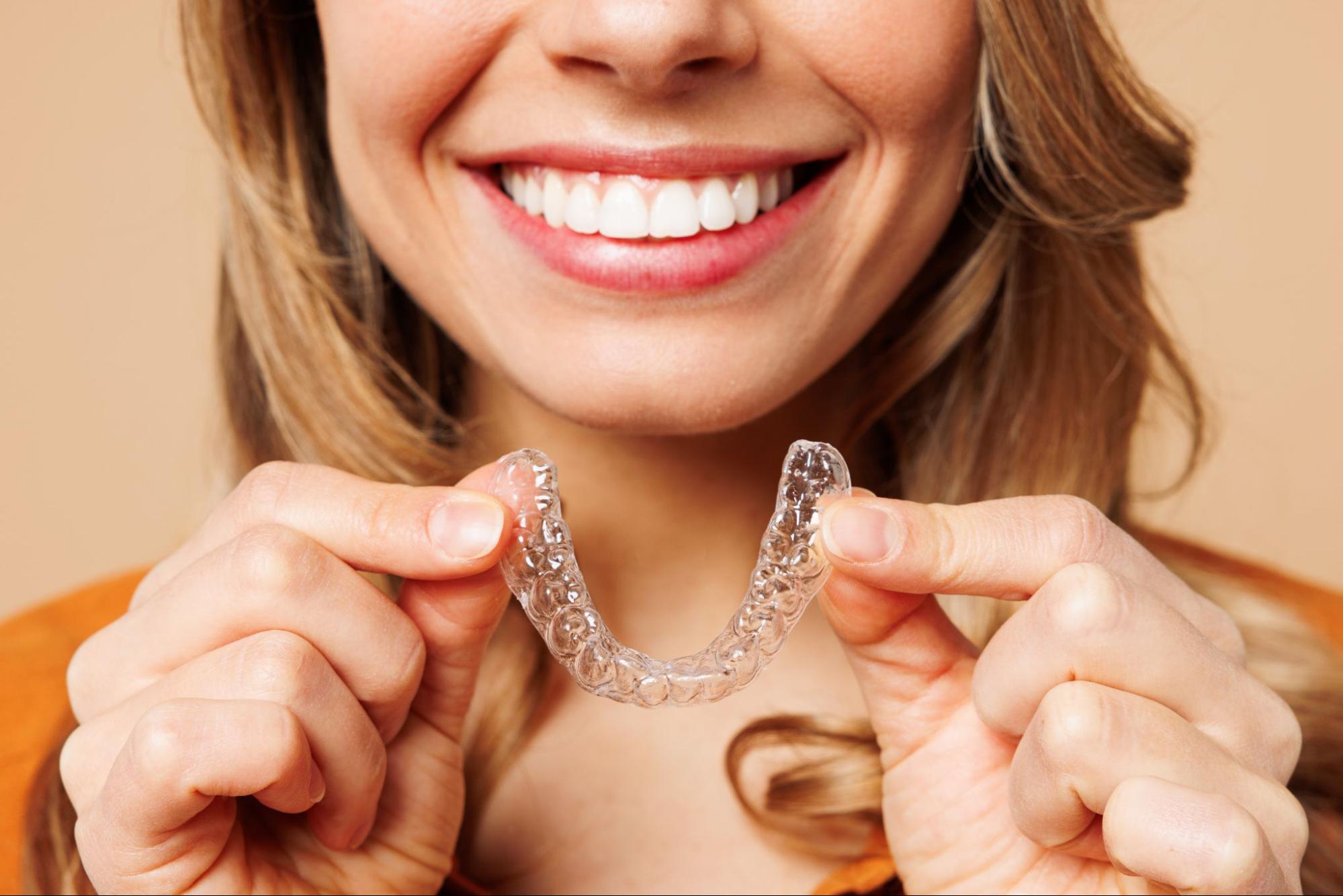
You need to wear your retainer for life to keep your teeth straight after braces or clear aligners. The first three to six months require full-time wear (about 22 hours daily), then you’ll shift to nightly wear indefinitely. Skipping your retainer, even for a few weeks, can allow teeth to drift back toward their original positions. Dr. Clabaugh will create a personalized retention schedule based on your specific treatment and relapse risk.

What Is a Retainer and Why Is It Essential After Braces?
After months or even years of orthodontic treatment, the last thing you want is to watch your teeth slowly drift back to where they started. That’s exactly what a retainer prevents. This custom-made retainer holds your teeth in their new positions while the bone and soft tissue around them stabilize.
Teeth have a natural tendency to shift throughout your life. Bone remodeling, aging, and everyday forces from chewing and speaking all contribute to gradual movement. Without a retainer, relapse can begin within just a few weeks of finishing treatment, which is why families across Lincoln rely on consistent retention plans.
There are three main types of retainers:
- Fixed (bonded) retainers: A thin wire permanently attached behind your front teeth
- Hawley retainers: A classic design with an acrylic base and metal wire
- Clear Essix retainers: Nearly invisible plastic trays similar to clear aligners
Each type serves the same purpose: protecting the stunning smiles created through your orthodontic work and keeping every tooth exactly where it should be.
How Retainer Wear Works: The Three Phases
Retainer wear follows a predictable timeline with three distinct phases, though Dr. Clabaugh may adjust this based on your individual needs.
What Happens During Phase 1 (First 3-6 Months)?
Right after your braces come off or you finish your last aligner tray, you’ll wear your retainer about 22 hours per day. Removal happens only for eating, drinking anything besides water, and brushing your teeth. Compliance during this window is critical because teeth are most prone to shifting in the early months.
What Does Nighttime-Only Wear Look Like After 6 Months?
Once teeth have stabilized, most people shift to wearing their retainer only while sleeping. The transition typically happens around the six-month mark, though some cases require longer full-time wear. Dr. Clabaugh checks the fit before approving any change in your schedule.
Why Is Lifetime Maintenance Necessary?
Here’s the part many people don’t expect: retainer wear doesn’t have an end date. Nightly wear, or at minimum every-other-night wear, continues indefinitely. The trade-off is simple: a retainer takes just seconds to put in, and it protects years of orthodontic work while you sleep.
The timeline varies based on several factors:
- How complex your original tooth movement was
- Whether you had rotated teeth (these relapse faster)
- Your age and bone density
- How well you followed instructions during treatment
If you have a fixed retainer bonded behind your front teeth, it can stay in place for years or even decades with proper care. Many people in Lincoln use a fixed retainer on the bottom teeth combined with a removable retainer on top.
Benefits of Consistent Retainer Wear
Wearing your retainer as directed does more than just keep your teeth straight. It protects your entire investment in orthodontic treatment and supports your long-term oral health.
How Does a Retainer Protect Your Smile Long-Term?
Key benefits include:
- Prevents orthodontic relapse: Your teeth stay exactly where Dr. Clabaugh placed them
- Maintains proper bite alignment: Upper and lower teeth continue to fit together correctly
- Stabilizes jaw position: Keeps your bite comfortable and functional
- Reduces future treatment needs: Avoids the cost and time of re-treatment down the road
- Supports gum health: Properly aligned teeth are easier to clean and less prone to gum issues
What Do Orthodontic Experts Recommend?
According to the American Association of Orthodontists, retention is considered an essential part of orthodontic treatment, not an optional follow-up. The AAO recommends that everyone wear retainers as directed by their orthodontist to maintain the stunning smiles achieved through treatment.
Comparing Retainer Types and Wear Requirements
| Retainer Type | Visibility | Durability | Compliance Needed | Best For |
|---|---|---|---|---|
| Hawley | Visible wire | Very durable (5+ years) | Yes, must remember to wear | Those who want adjustability |
| Clear (Essix/Vivera) | Nearly invisible | Moderate (1-3 years) | Yes, must remember to wear | Those prioritizing aesthetics |
| Fixed/Bonded | Hidden behind teeth | Long-lasting | None, always in place | Those concerned about compliance |
How Do Hawley Retainers Work?
These classic retainers feature an acrylic base that fits against the roof of your mouth (or behind your lower teeth) with a metal wire that wraps around the front. They’re very durable and can be adjusted if minor tooth movement occurs. The visible wire is the main drawback for some.
Are Clear Retainers Right for You?
Made from transparent plastic, these look similar to clear aligner trays. Comfort and near-invisibility are the main draws when worn. However, they tend to wear out faster than Hawley retainers and may need replacement every one to three years.
Should You Consider a Fixed Retainer?
A thin wire bonded to the back of your front teeth means you never have to remember to put your retainer in. Fixed retainers work around the clock but require extra attention when flossing. Many people combine a fixed lower retainer with a removable upper retainer for full coverage.
How Often Should You Wear a Retainer After Braces?
While lifetime retention is the standard recommendation, certain factors influence how strict your wear schedule needs to be. The biggest variables are the severity of your original misalignment, your age during treatment, the type of tooth movement involved, and any oral habits like grinding or tongue thrust. Dr. Clabaugh weighs each of these when shaping your personal retention plan.
The severity of your original misalignment matters most. If you started with significant crowding, spacing, or bite issues, your teeth have a stronger “memory” of their old positions, and stricter compliance helps counteract this tendency.
Age during treatment plays a role too. Adults generally need more consistent retainer wear than children and teens. Younger patients have more adaptable bone tissue, while adult bone is denser and teeth may be more prone to shifting.
Type of tooth movement: Rotated teeth and teeth that were moved significant distances have higher relapse rates. If your treatment involved correcting rotations, expect to be extra diligent with your retainer.
Oral habits also factor in. Tongue thrust, teeth grinding, and nail biting can all push teeth out of alignment. With any of these habits present, consistent retainer wear becomes even more important.
Wisdom teeth: Emerging wisdom teeth can create pressure that shifts other teeth. Dr. Clabaugh may recommend more frequent retainer wear during the years when wisdom teeth typically appear.
Early compliance: How well you wore your retainer during the first six months sets the foundation. Anyone who was inconsistent early on may need stricter long-term wear to maintain results.

Who Needs to Wear a Retainer Long-Term?
The short answer? Everyone who has had orthodontic treatment. Whether you wore braces for 18 months or used clear aligners for a year, retention is part of the process at Clabaugh Orthodontics.
Those who need especially consistent wear include:
- Anyone who had severe crowding or spacing before treatment
- Anyone whose treatment involved rotating teeth
- Adults over 25 (bone is less adaptable)
- Anyone with a history of gum disease
- Those who grind their teeth at night
- Anyone who wants to keep their stunning smiles indefinitely
Dr. Richard Clabaugh, a board-certified orthodontist and member of the American Association of Orthodontists, evaluates each person’s specific relapse risk when creating retention plans. Some kids, teens, & adults may eventually wear their retainer every other night, while others benefit from nightly wear for life.
The good news? Once retainer wear becomes part of your bedtime routine, it takes just seconds and quickly becomes second nature.
Frequently Asked Questions About Retainer Wear
Do I have to wear my retainer every night forever?
Yes, nightly retainer wear is recommended for life. Teeth naturally shift throughout your lifetime due to bone changes, aging, and everyday forces. Wearing your retainer while you sleep takes minimal effort and protects years of orthodontic work. Think of it as a small habit that delivers lasting results.
Can I stop wearing my retainer after 2 years?
No. Stopping retainer wear after two years, or any fixed timeframe, allows teeth to gradually shift back toward their original positions. While the most dramatic shifting happens in the first months after treatment, teeth can move at any point in life. Consistent wear is the only way to maintain your stunning smiles.
What happens if I skip a few nights?
Minor shifting can occur even after skipping just a few nights. If your retainer feels tight when you put it back in, that’s a sign your teeth have already started moving. Resume wearing it right away. If it no longer fits, contact Dr. Clabaugh quickly to prevent further relapse.
How often should I wear my retainer after 3 years?
Most people continue wearing their retainer nightly, even three years post-treatment and beyond. Some orthodontists may approve every-other-night wear for those with stable results and low relapse risk. Always follow your specific instructions rather than reducing wear on your own. Families across Lincoln check in with Dr. Clabaugh before making any changes.

What if my retainer doesn’t fit anymore?
Contact Dr. Clabaugh as soon as possible. A retainer that no longer fits means your teeth have shifted. The sooner you address this, the easier it is to correct. You may need a new retainer, or in some cases, additional treatment to move teeth back into position.
How do I clean my retainer properly?
Rinse your retainer with cool water every time you remove it. Brush it gently with a soft toothbrush (no toothpaste, which can scratch clear retainers). Once a week, soak it in a retainer cleaning solution or a mixture of water and mild dish soap. Never use hot water, which can warp the plastic. Bring it along to every visit with Dr. Clabaugh so the fit and condition can be checked.
Your smile is worth protecting. At Clabaugh Orthodontics, we make sure every person leaves with a clear retention plan designed for their unique needs. If you have questions about your retainer or notice any changes in how your teeth fit together, reach out and schedule a visit with Dr. Clabaugh and the team. We’re here to help you keep that smile looking its best for life.
Ready to start treatment? Schedule your free consultation at Clabaugh Orthodontics in Lincoln, NE, today!