
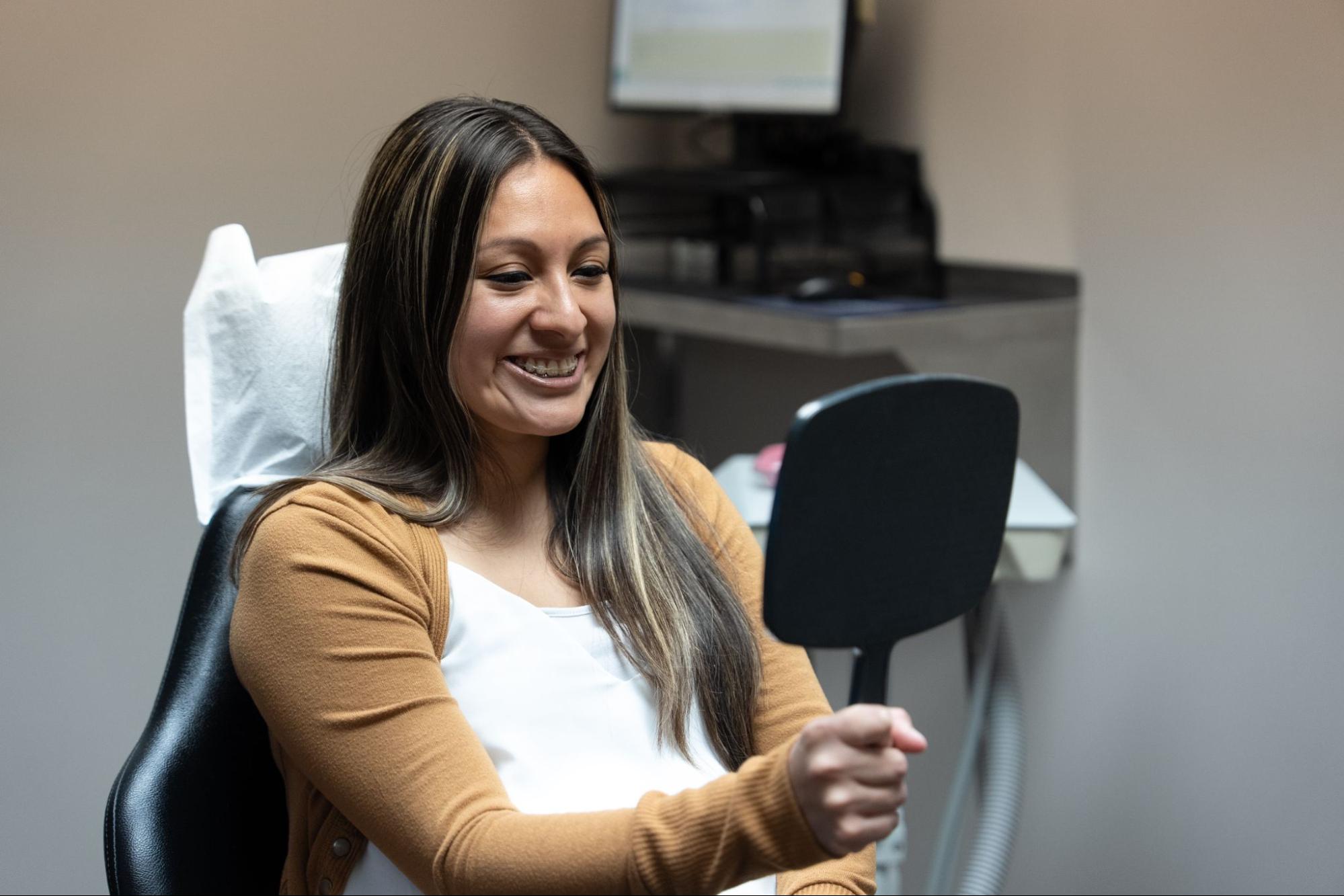
Wondering if you’ve aged out of a great smile? You haven’t. More adults than ever are choosing orthodontic treatment, and the results are often just as beautiful as those seen in teens. If you’ve been asking yourself “Is it too late to get braces?” the answer is a confident no, and understanding your options is the first step toward a smile you’ll love for decades to come.
Is It Really Too Late to Get Braces as an Adult?
No, it’s not too late. There’s no age limit on orthodontic treatment. Teeth move through a natural process called bone remodeling at any stage of life, which means adults can achieve the same healthy, straight results as kids and teens. If your teeth and gums are healthy, you’re a candidate.
Industry data from the American Association of Orthodontists suggests that roughly one in three orthodontic patients today is an adult. That’s a notable shift from a generation ago, and it reflects how comfortable, discreet, and effective modern treatment has become.
Adults pursue treatment for all kinds of reasons. Some want to fix issues they’ve lived with for decades. Others are dealing with relapse after wearing braces as a teen. Many simply want to feel more confident at work, in photos, or on video calls.
A board-certified orthodontist can treat adult patients across a wide range of ages, from busy twenty-somethings to active adults in their 70s and 80s. The goal is the same at every age: a healthier bite and a smile you love. Smiles truly have no age limit, and the right treatment plan can meet you wherever you are in life.
How Adult Orthodontic Treatment Works
Starting adult treatment is simpler than most people expect. The process is designed to be clear, comfortable, and tailored to your schedule. Here’s what to expect from your first visit through retention.
- Free consultation. You’ll meet with your orthodontist for a full exam, digital scans, and X-rays. There’s no pressure and no mess. You’ll get a clear picture of your bite and the options that fit your goals.
- Treatment planning. Your orthodontist walks you through your options and timeline. You’ll choose the approach that works best for your lifestyle, whether that’s metal braces, clear braces, or clear aligners.
- Coordination with your general dentist. If you have crowns, bridges, implants, or fillings, your orthodontist will coordinate with your dentist so your existing restorations are protected throughout treatment.
- Active treatment. This is when your teeth start moving. You’ll visit the office every 6-10 weeks for adjustments or new aligner sets. Many adult patients benefit from same-day starts, meaning you can begin treatment at your consultation visit.
- Retention. Once your teeth are in their new positions, you’ll wear a retainer to keep them there. Retainers are a lifelong part of maintaining your results, but wear time decreases significantly after the first year.
Most adult treatment plans run between 12 and 24 months. Simple cases can wrap up faster, while complex bites may take a bit longer. A thorough consultation will give you a realistic timeline so you know what to expect from day one.

Benefits of Getting Braces as an Adult
Straightening your teeth as an adult isn’t just about looks. The health and functional benefits are significant, and many patients say they wish they’d done it sooner. Here’s what you can expect from adult orthodontic treatment.
Why Is Cleaning Easier With Straight Teeth?
Straight teeth are easier to clean. When teeth aren’t crowded or overlapping, your toothbrush and floss can actually reach the surfaces that matter. Better daily hygiene means less plaque buildup over time, which translates to healthier gums, fewer cavities, and a lower risk of long-term tooth loss. Many adults are surprised by how much simpler their routine feels once their teeth are properly aligned.
How Can Orthodontics Relieve Jaw Tension and Headaches?
A misaligned bite can contribute to TMJ discomfort, jaw fatigue, and tension headaches. When your upper and lower teeth don’t meet the way they should, the surrounding muscles work harder than they need to. Correcting the bite often eases these symptoms and can make everyday activities like chewing, speaking, and even sleeping more comfortable.
What Does Better Bite Function Mean for Daily Life?
When your teeth meet properly, eating is more efficient and enjoyable. You may notice you can chew tougher foods more comfortably. Teeth that don’t align correctly also wear down unevenly, which can lead to chips, cracks, and extensive restorative work later. Orthodontic treatment helps protect your natural teeth for the long haul.
How Does a New Smile Boost Confidence?
Many adult patients say they smile more freely in meetings, interviews, and family photos once treatment is done. That shift in confidence can be life-changing, affecting how you show up at work, in relationships, and in social settings. Adult patients also tend to be highly motivated, which often translates to excellent compliance with aligner wear, retainers, and oral hygiene. That motivation is one reason adult treatment outcomes are so consistently strong.
Adult Treatment Options: Braces vs. Clear Aligners
Modern orthodontics offers three major adult treatment options, so you can choose what fits your lifestyle and smile goals. Here’s a quick side-by-side look.
| Feature | Metal Braces | Clear Braces | Clear Aligners |
|---|---|---|---|
| Visibility | Most visible | Less noticeable, tooth-colored brackets | Nearly invisible |
| Removable | No | No | Yes, for eating and brushing |
| Best for | Complex bite and alignment cases | Patients wanting discretion with fixed treatment | Mild to moderate cases, lifestyle flexibility |
| Office visits | Every 6-8 weeks | Every 6-8 weeks | Every 8-10 weeks |
| Food restrictions | Yes | Yes | No, you remove them to eat |
Metal braces are the most versatile option. They can handle just about any case, including complex bite corrections and significant tooth movement. Modern metal braces are smaller and more comfortable than the ones you may remember from decades ago.
Clear braces use tooth-colored brackets that blend in with your natural enamel. They work the same way as metal braces but are far less noticeable, which makes them a popular choice for adults who want fixed treatment without the metal look.
Clear aligners are a smooth, removable option that’s nearly invisible. You wear them 20-22 hours a day and swap them out for a new set every 1-2 weeks. They’re ideal for adults who want flexibility, no food restrictions, and a discreet treatment experience.
Not sure which option is right for you? A good orthodontist will walk through the pros and cons of each at your free consult and help you choose based on your case complexity, work environment, and personal preferences.
Paying for Adult Braces: Insurance and Financing
Every adult treatment plan is personalized, so the details depend on the complexity of your case, the treatment type you choose, and how long you’re in treatment. A quality free consult should give you a clear, personalized plan so there are no surprises along the way.
A few factors shape your plan:
- Case complexity. Minor spacing issues call for a different approach than full bite corrections.
- Treatment type. Metal braces, clear braces, and clear aligners each work a little differently.
- Treatment length. Longer plans require more visits and materials.
Many dental insurance plans include orthodontic coverage that applies to adults, not just kids. It’s worth checking your policy to see what benefits are available. Many orthodontic offices also offer flexible payment plans, and you can learn more about financing and insurance options before your visit.
The best way to get answers specific to your smile is to come in for a free consultation. You’ll leave with a clear breakdown of your insurance and financing options, along with a treatment plan built around your goals.
Am I a Good Candidate for Adult Braces?
Most adults with healthy teeth and gums are great candidates for orthodontic treatment. The main requirement is that your mouth is healthy enough to support tooth movement. Here’s what a board-certified orthodontist looks for during your consultation.
- Healthy gums. Active gum disease needs to be managed first. Once stable, treatment can usually move forward.
- Adequate bone support. Teeth move through bone, so you need enough to support that movement. Bone loss from untreated gum disease may require attention first.
- Existing restorations. Crowns, bridges, veneers, and fillings don’t disqualify you. Your orthodontist plans around them.
- Missing teeth. Gaps can often be addressed by closing the space or preparing it for a future implant.
- No upper age limit. Patients well into their 60s, 70s, and 80s regularly achieve excellent results.
If you’ve been told in the past that you weren’t a candidate, it may be worth getting a second opinion. Treatment options have expanded significantly in recent years.

Frequently Asked Questions About Adult Braces
Is 29 too late for braces?
Not at all. Adults in their late 20s are one of the most common age groups seeking treatment. Your teeth respond to orthodontic treatment the same way they did in your teens, and clear aligners make it easy to fit treatment into a busy work and social life.
Is 30 too old for braces?
Thirty is a very common age for adult orthodontic treatment. Many patients in their 30s choose clear aligners or clear braces for their discreet appearance. Treatment at this age often takes 12-24 months and delivers results that last a lifetime with proper retainer wear.
Is 40 too late for braces?
No, 40 is not too late. Experienced orthodontists regularly treat patients in their 40s, 50s, and well beyond. As long as your teeth and gums are healthy, you can achieve a straighter, healthier smile. Many patients in this age group are motivated by both aesthetic goals and long-term oral health benefits.
What disqualifies you from getting braces?
Very few things completely disqualify adults from orthodontic treatment. Active, untreated gum disease or significant bone loss may need to be addressed first. Severe decay should be treated before braces are placed. Once your mouth is healthy, most adults can move forward with treatment of some kind.
Do braces hurt more for adults?
Adults may notice some soreness after adjustments or when switching to new aligners, but it’s usually mild and short-lived. Most patients describe it as pressure or tenderness that fades within a few days. Over-the-counter relief and soft foods help during the first week.
Will I need a retainer after treatment?
Yes. Retainers are essential for keeping your results long-term, no matter your age. Teeth naturally want to shift over time, and retainers prevent that. Your orthodontist will walk you through your retainer wear schedule, which typically starts full-time and transitions to nighttime wear.
Curious whether adult orthodontic treatment is right for you? The best next step is learning more about your options, from clear aligners to metal braces to clear braces, and scheduling a free consult with a board-certified orthodontist who can build a plan around your smile goals. Smiles have no age limit, and the right time to start is whenever you’re ready.